Volume 10 : Issue 4 February 18, 2026


We’re experiencing that in‑between stretch where winter hasn’t quite let go, but the earliest hints of spring will quietly begin to emerge across Connecticut. The mornings are brighter and the sun is setting later. You can see buds on the trees and hear more birdsong in the morning. The landscape is slowly waking back up and when it does, we’ll be ready. Shayne

CONTINUING EDUCATION
On Tuesday, February 17th, a dozen team members attended the Connecticut Grounds Keepers Association’s Annual Turf & Landscape Conference for powerful education and networking, with opportunities to see and learn about some of the newest products and trends in our industry.

EARLY BLOOMERS
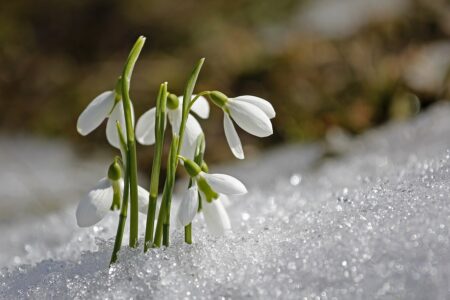
Even as winter hangs on, the earliest hints of spring have quietly begun emerging across Connecticut.
Some of the first to appear are the classic cold‑hardy garden bloomers many residents know and love. Snowdrops and crocus are among the boldest—capable of pushing through frozen ground to flower while much of the landscape is still dormant. While they aren’t native to Connecticut, these plants are prized for their toughness and reliability, often offering the first true splash of color each year.
Hellebores originated from Europe and they too have earned their place in many local gardens. Blooming from late winter into early spring, they tolerate cold soil exceptionally well and produce intricate flowers in shades of white, plum, pink, and green. Their ability to bloom when temperatures are still low makes them a welcome sight in February and March.
But Connecticut also has its own native early-season stars and highlighting them helps support local ecosystems. One of the finest is Wild Columbine (Aquilegia canadensis) shown below, an enchanting native with red‑and‑yellow nodding flowers that can begin blooming as early as late winter and continue into spring. Its nectar-rich blossoms are perfectly timed for early pollinators, including migrating hummingbirds—a reminder that native plants often play important ecological roles alongside their ornamental beauty.
Together, these early bloomers—both cultivated classics and regional natives—signal that winter’s grip is loosening. Mixing the two in Connecticut landscapes allows gardeners to enjoy the earliest colors of the season while also supporting native wildlife. As February turns toward spring, each new bud feels like a small promise of the vibrant months ahead.

LATEST TRENDS
Below are some of the latest, data-backed trends in the home landscaping industry.
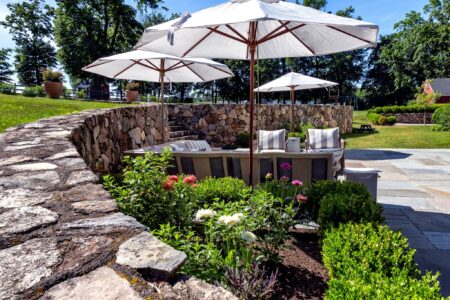
- Spaces that can serve as a retreat, an entertainment zone, a workspace, or a garden are trending. Homeowners want their yards to “work” for multiple parts of life — not just look great.
- Designers report a major swing toward cozy nooks, garden rooms, and, as mentioned above, small retreat-like areas. Comfortable seating, fire pits, and calm spaces meant for relaxation more than entertaining large groups are in.
- Homeowners are prioritizing native plants and drought‑tolerant designs more than ever. Native species require less water, fewer chemicals, and lower maintenance.
- Due to inflation and budget-conscious planning, homeowners want landscape elements that offer long-term value and minimal upkeep, such as durable hardscapes, efficient irrigation, and simplified plant palettes.
- Front yards and entryways are getting more attention as homeowners seek strong curb appeal, structured planting, and welcoming layouts.
Climate-conscious design choices like rain gardens (below), retaining walls, drought-resistant plants, permeable surfaces, and smart irrigations systems are all on the rise.